

Use of Artificial Intelligence in Payroll Software and Its Future
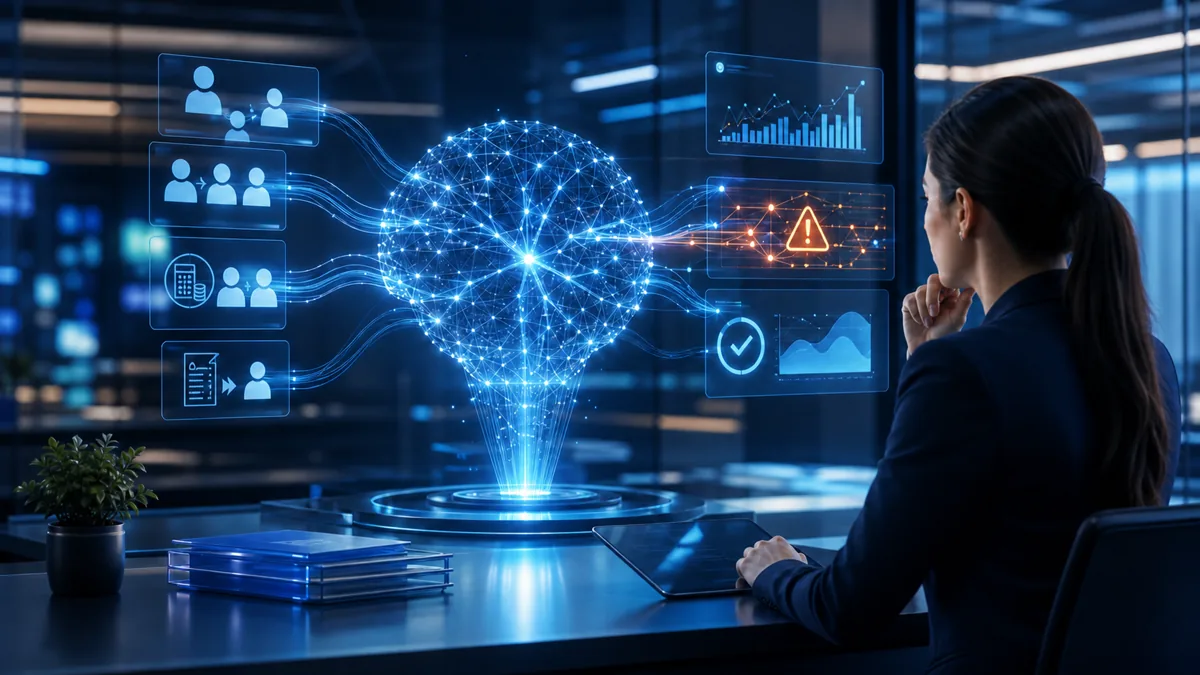
As digital transformation continues rapidly in today's business world, human resources and payroll management processes are also keeping up with this change. Artificial intelligence (AI) technologies in particular make payroll software more efficient, error-free and user-friendly. So how is AI used in payroll management and what innovations await us in the future? Here are the details!
1. Transformation of Payroll Management with Artificial Intelligence
The use of artificial intelligence in payroll software minimizes human errors by automating traditional manual processes. AI-supported systems can analyze data, detect transaction errors, make automatic calculations and offer strategic suggestions to employers. In this way, payroll processes become faster and more reliable.
2. Basic Areas of Use of Artificial Intelligence in Payroll Software
a) Automatic Payroll Calculations
AI-supported payroll software saves time by automatically processing elements such as salary calculations, tax deductions, bonuses and overtime. In addition, it can update payroll calculations in accordance with legal compliance by following current legal regulations.
b) Anomaly Detection and Error Prevention
Artificial intelligence can detect abnormal payments by analyzing past salary payments and employee data. For example, errors such as accidental overpayments or underpayments are detected and corrected by the system in advance.
c) Chatbots and Digital Assistants
AI-based chatbots can instantly answer employees' frequently asked questions about payroll. Digital assistants that provide support to employees on issues such as payroll inquiries, leave calculations or tax information significantly reduce the workload of human resources teams.
d) Predictive Analysis and Decision Support Systems
Artificial intelligence contributes to future budget planning by analyzing payroll data. It provides strategic insights to managers by making predictions on issues such as employee costs, overtime trends and turnover rates.
e) Legal Compliance and Updates
Payroll management is subject to frequently changing legislation and tax regulations. Artificial intelligence-supported systems instantly follow legal changes, update payroll processes in accordance with businesses and prevent penal sanctions.
3. The Future of Artificial Intelligence in Payroll Software
a) Blockchain Integrated Payroll Systems
In the future, artificial intelligence can be integrated with blockchain technology to provide more secure and transparent payroll management. Blockchain-based payroll systems make it possible to track salary payments and tax transactions with unchangeable records.
b) Personalized Employee Experience
AI can analyze employees' financial preferences and spending habits to offer personalized salary plans. For example, the most appropriate tax bracket, savings suggestions or bonus structures for an employee can be suggested.
c) Payroll Management with Voice Command
With AI-powered voice assistants, managers can control payroll transactions and speed up salary calculations with voice commands.
d) Advanced Data Security
Security is a critical issue since payroll data contains sensitive information. AI-based systems can maximize data security by offering stronger security measures against cyber attacks.
Result:
The use of artificial intelligence in payroll software offers great advantages for businesses. With automatic calculations, error detection, chatbot support and predictive analysis, processes are becoming faster and more reliable. In the future, AI-supported payroll management will be further developed with innovations such as blockchain integration, personalized employee experience and advanced data security. It is of great importance for businesses to keep up with this transformation in order to increase efficiency and stand out from the competition.